Raw oysters have been linked to an ongoing salmonella outbreak, the Centers for Disease Control and Prevention (CDC) said on Tuesday.
So far, 64 people across 22 states have gotten sick with the same strain of salmonella. At least 20 people have been hospitalized and no deaths have been reported.
State and local public health officials have been interviewing patients about what they ate in the week before they became ill. Of the 27 people interviewed, about three-quarters said they ate raw oysters.
Over 1.7 million eggs sold in 9 states voluntarily recalled due to salmonella concern
"People in this outbreak are being hospitalized at a higher rate than expected when compared to other Salmonella outbreaks linked to oysters," the CDC wrote in a media release.
The CDC and the U.S. Food and Drug Administration are investigating to determine if a common source of oysters can be identified. No recall notices have been announced so far.

The CDC recommends that people cook raw oysters to reduce the risk of food poisoning.
Salmonella are bacteria that live in the intestinal tract of people and animals, which cause an illness called salmonellosis, according to the CDC.
People can get infected by eating contaminated food, drinking or coming into contact with contaminated water, or touching animals, animal feces or the places animals live and roam, the federal health agency said.
Symptoms can begin between six hours and six days after getting infected and include watery diarrhea, fever and stomach cramps with less common symptoms including nausea, vomiting, headache and loss of appetite.
Home delivery meals linked to salmonella outbreak, CDC warns
Illness with salmonella lasts between four and seven days, and most people recover without treatment.
In some cases, illness can severe that the patient is hospitalized, according to the CDC. Treatment includes drinking fluids to prevent dehydration and may include anti-diarrheal medication or antibiotics for those who develop severe intestinal illness.
The CDC says children younger than age 5, adults aged 65 and older and those with weakened immune systems are more likely to get severely sick.
Salmonella bacteria are a leading cause of foodborne illness in the U.S. -- as well as a leading causes of hospitalizations and death linked to foodborne illness -- but the CDC estimates cases are underreported with just one in every 30 infections being diagnosed.
NEUESTE BEITRÄGE
- 1
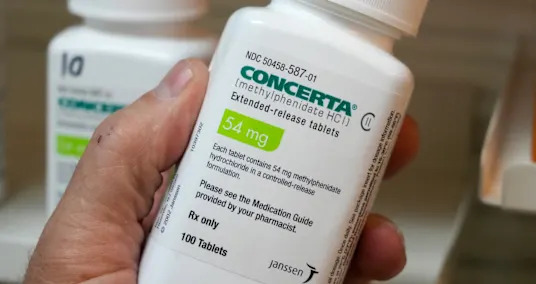
 Common ADHD medication prescribed in childhood may protect against risk of psychosis25.03.2026
 - 2Journeys That could only be described as epic: Delightful Voyage Lines All over the Planet06.06.2024
- 3WHO suspends medical evacuations from Gaza following death of contractor in 'security incident'06.04.2026
- 4Astronauts' brains change shape and position after time in space, study finds12.01.2026
- 5Bruno Mars tour 2026: How to get tickets for 'The Romantic Tour,' presale times, prices and more09.01.2026



Ähnliche Artikel
- Trump announces 'Patriot Games' with 2 competitors from every state and territory: What we know19.12.2025
- Ryan Gosling responds to Deidre Hall's invitation to visit the 'Days of Our Lives' set: 'This is a very enthusiastic yes'27.03.2026
- At least 171 measles cases confirmed in 9 states, CDC data shows14.01.2026
- The next frontier in space is closer than you think – welcome to the world of very low Earth orbit satellites04.01.2026
- Working out at the airport? Some fliers can already smell the sweat.12.12.2025
- The Best Internet based Courses for Expertise Improvement07.07.2023
- Instructions to Arrange Your Compensation During Medical caretaker Prospective employee meetings17.10.2023
- 15 skywatching events you won't want to miss in 202601.01.2026
- Scientist turns people’s mental images into text using ‘mind-captioning’ technology14.11.2025
- Humpback whale stranded on Germany's Baltic coast frees itself27.03.2026